

Introduction
Ever noticed your back aching after a long day of sitting or scrolling on your phone? You’re not alone. How can poor posture result in back pain? It’s one of the most common yet overlooked causes of discomfort in daily life.
Whether you’re working at a desk, driving, or binge-watching your favorite shows, bad posture quietly puts stress on your body. Over time, this leads to pain in areas you might not even expect—your back, neck, shoulders, and even chest.
Let’s break it down in a simple, practical way so you understand what’s happening—and how to fix it.
What Is Poor Posture?
Poor posture happens when your body is not aligned properly while sitting, standing, or lying down. Instead of your spine maintaining its natural curve, it gets forced into unnatural positions.
Common examples include:
- Slouching while sitting
- Leaning forward while using a phone
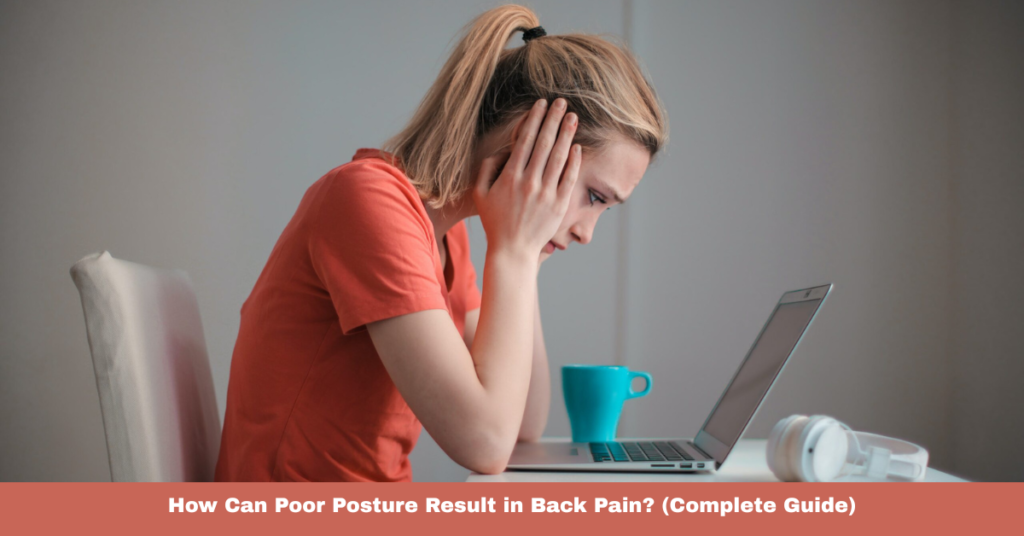
- Hunching over a laptop
- Standing with uneven weight distribution
Over time, these habits can lead to serious discomfort and long-term issues.
How Can Poor Posture Result in Back Pain?
Let’s get straight to the point—how can poor posture result in back pain?
1. Extra Stress on the Spine
Your spine is designed to support your body evenly. Poor posture shifts that balance, placing excessive pressure on certain areas.
- Slouching increases pressure on lower back discs
- Forward head posture strains the upper spine
- Uneven sitting leads to muscle imbalance
Result: Chronic back pain and stiffness
2. Muscle Imbalance and Fatigue
When your posture is off, some muscles work overtime while others become weak.
- Tight muscles: neck, shoulders, lower back
- Weak muscles: core, upper back
Result: Pain, fatigue, and reduced mobility
3. Compressed Nerves
Bad posture can compress nerves, especially in the spine.
- Tingling or numbness
- Sharp or radiating pain
- Reduced flexibility
Result: Persistent discomfort and nerve-related pain
4. Reduced Blood Flow
Poor posture can restrict circulation.
- Less oxygen to muscles
- Slower recovery
- Increased tension
Result: Pain that worsens over time
Poor Posture Pain Areas You Should Know
Poor posture doesn’t just affect your back—it impacts multiple areas.
Common poor posture pain areas:
- Lower back: Most common pain point
- Upper back: From hunching forward
- Neck: From looking down at screens
- Shoulders: From rounding forward
- Hips: From prolonged sitting
Each area is connected, so one issue often leads to another.
Poor Posture Neck Pain: Why It Happens
One of the biggest complaints today is poor posture neck pain, especially due to phone usage.
What’s happening?
Your head weighs around 4–5 kg. When you tilt it forward:
- At 15° → pressure doubles
- At 60° → pressure increases up to 25 kg
This puts massive strain on your neck muscles.
Symptoms include:
- Stiff neck
- Headaches
- Shoulder tension
Can Poor Posture Cause Chest Pain?
Surprisingly, yes—can poor posture cause chest pain? Absolutely.
When you slouch:
- Your chest compresses
- Breathing becomes shallow
- Muscles tighten
This can lead to:
- Chest tightness
- Mild pain or discomfort
- Difficulty taking deep breaths
Important: Always rule out serious conditions if chest pain is severe.
Signs Your Posture Is Causing Back Pain
Not sure if posture is your problem? Watch for these signs:
- Pain after long sitting sessions
- Relief when you stand or stretch
- Frequent neck or shoulder stiffness
- Uneven body alignment in the mirror
- Fatigue without heavy activity
How to Fix Poor Posture (Simple Tips That Work)
Improving posture doesn’t require drastic changes—just consistent habits.
1. Adjust Your Workspace
- Keep screen at eye level
- Use a chair with back support
- Keep feet flat on the floor
2. Strengthen Your Core
A strong core supports your spine.
- Planks
- Bridges
- Light abdominal exercises
3. Take Breaks
Avoid sitting for too long.
- Stand every 30–45 minutes
- Stretch your back and neck
- Walk around briefly
4. Practice Good Sitting Posture
- Back straight
- Shoulders relaxed
- Head aligned with spine
5. Be Mindful of Phone Usage
- Hold phone at eye level
- Avoid bending your neck downward
Long-Term Effects of Ignoring Poor Posture
If left unchecked, poor posture can lead to:
- Chronic back pain
- Spinal misalignment
- Reduced mobility
- Increased injury risk
- Persistent muscle tension
Fixing posture early can save you from long-term complications.
FAQs
1. How can poor posture result in back pain?
Poor posture puts uneven pressure on the spine, strains muscles, and can compress nerves, leading to pain and discomfort.
2. What are the main poor posture pain areas?
Common areas include the lower back, upper back, neck, shoulders, and hips.
3. Can poor posture cause chest pain?
Yes, slouching can compress the chest, restrict breathing, and cause muscle tightness, leading to chest discomfort.
4. Why does poor posture cause neck pain?
Forward head posture increases strain on neck muscles, causing stiffness, pain, and even headaches.
5. How long does it take to fix posture-related back pain?
With consistent effort, you may notice improvement in a few weeks, but full correction can take months.
Conclusion
So, how can poor posture result in back pain? It all comes down to imbalance—your spine, muscles, and nerves aren’t designed to handle constant misalignment.
The good news? It’s completely fixable.
By making small daily changes—like sitting properly, strengthening your core, and taking regular breaks—you can significantly reduce pain and improve your overall health.
If you’ve been ignoring that nagging backache, now’s the time to act. Start correcting your posture today, and your body will thank you tomorrow.