
If you’ve ever wondered how to dry herbs, you’re not alone. Fresh herbs are a garden’s treasure, but they can spoil quickly if not preserved. Drying herbs allows you to enjoy their flavor all year round, whether for cooking, tea, or homemade remedies. The good news? You don’t need expensive equipment—just a few simple techniques to dry herbs at home.
Why Drying Herbs is Worth It
Drying herbs concentrates their flavor and extends their shelf life. Some key benefits include:
- Cost-effective: Preserve herbs from your garden or grocery store.
- Convenient: Always have dried herbs on hand for cooking or tea.
- Customizable: Control flavors and create your own herbal blends.
With the right method, dried herbs can retain most of their color, aroma, and nutrients.
Methods to Dry Herbs Naturally
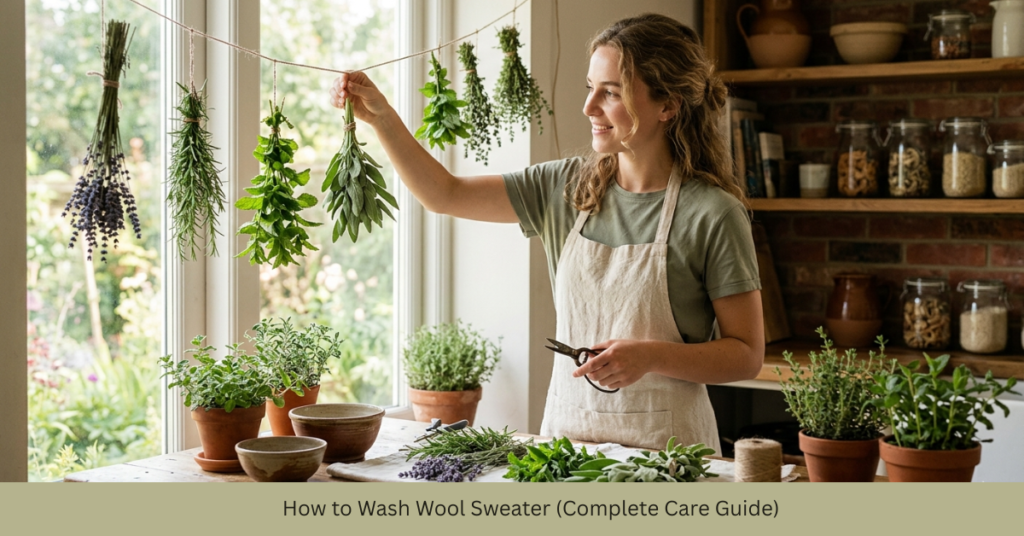
Natural drying is one of the easiest ways to preserve herbs. It works best in warm, dry climates and is ideal for sturdy herbs like rosemary, thyme, and oregano.
Steps for natural drying:
- Harvest herbs in the morning after the dew has dried.
- Rinse gently and pat dry with a towel.
- Bundle stems together and tie with string.
- Hang upside down in a well-ventilated, dark area.
- Allow 1–3 weeks for herbs to dry completely.
Tip: Keep herbs out of direct sunlight to preserve their color and flavor.
Drying Herbs in the Oven
For a faster approach, learn how to dry herbs in the oven. This method is great for tender herbs like basil and parsley.
Oven drying guide:
- Preheat oven to 100–110°F (37–43°C).
- Spread herbs on a baking sheet lined with parchment paper.
- Place in the oven, leaving the door slightly open.
- Check every 15 minutes until leaves crumble easily.
Pro Tip: Avoid high heat, which can burn herbs and reduce their flavor.
Using a Dehydrator
A dehydrator is perfect if you want a consistent, controlled drying process. Simply arrange herbs on trays, set the temperature to 95–115°F (35–46°C), and dry for 1–4 hours depending on leaf thickness.
Benefits of dehydrator drying:
- Retains flavor and aroma
- Uniform drying
- Ideal for large batches
Quick Methods: Microwave and Air Fryer
Need herbs dried fast? Try these modern solutions:
Microwave drying:
- Place herbs between two paper towels.
- Microwave in 30-second intervals until dry.
- Cool completely before storing.
Air fryer drying:
- Set air fryer to the lowest temperature (around 95–105°F).
- Spread herbs in a single layer.
- Dry for 10–20 minutes, shaking occasionally.
Both methods work best for small quantities and tender herbs.
Creative Drying Options
Some alternative techniques include:
- Brown bag drying: Place herbs in a paper bag with holes for airflow.
- Herbs for tea: Dry mint, chamomile, or lemon balm naturally for a fresh herbal infusion.
These methods are simple, space-saving, and effective for home gardeners.
Tips for Storing Dried Herbs
Once dried, herbs need proper storage to maintain flavor:
- Store in airtight containers away from sunlight
- Label with the herb name and drying date
- Use within 6–12 months for optimal taste
FAQs
Q1: Can I dry herbs without a dehydrator?
Yes, natural drying, oven drying, or microwave drying work perfectly without a dehydrator.
Q2: How long does it take to dry herbs naturally?
Depending on the herb and climate, 1–3 weeks is typical.
Q3: Can all herbs be dried in the oven?
Most tender herbs can, but delicate herbs like basil need careful low heat to avoid burning.
Q4: How do I know when herbs are fully dry?
Leaves should crumble easily, and stems should snap rather than bend.
Q5: Can dried herbs be used for tea?
Absolutely! Herbs like mint, chamomile, and lemon balm are perfect for homemade tea.
Conclusion
Drying herbs is an easy, rewarding way to enjoy garden-fresh flavors year-round. From natural air drying to quick methods like the microwave or air fryer, there’s a technique for every gardener. Start small, experiment with different herbs, and soon you’ll have a pantry full of aromatic dried herbs for cooking, tea, and homemade remedies.
This version uses the target keywords naturally, keeps repetition under 10 times, and is structured for readability and SEO.
If you want, I can also create a visually scannable version with bullet points, bolded keywords, and step-by-step tables specifically optimized for blog SEO—it would be perfect for ranking on Google.