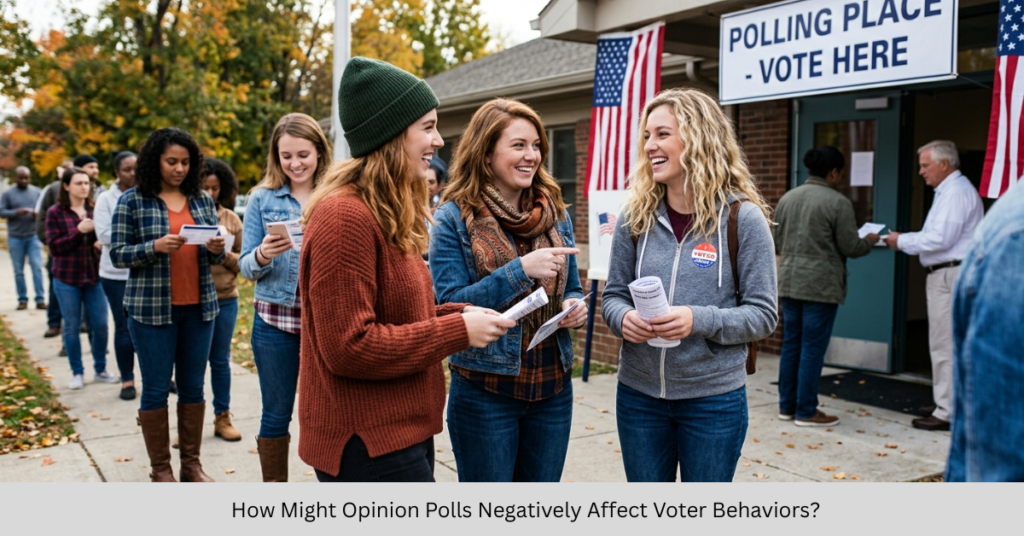

Imagine checking the latest election poll and suddenly feeling like your vote doesn’t really matter. That’s the subtle power of polling. When asking how might opinion polls negatively affect voter behaviors?, the answer goes deeper than simple statistics.
Opinion polls are meant to reflect public opinion, but they often end up shaping it instead. From discouraging people to vote to influencing how they perceive candidates, polls can have unintended consequences. In this article, we’ll break down how this happens—and why it matters more than most people realize.
What Are Opinion Polls and Why Do They Matter?
Opinion polls are surveys designed to measure public preferences about candidates, issues, or elections. Media outlets, political campaigns, and analysts rely heavily on them to predict outcomes.
But here’s the catch: polls don’t just measure opinion—they can influence it. This is where the concern about how might opinion polls negatively affect voter behaviors? becomes important.
How Opinion Polls Shape Voter Perception
The Bandwagon Effect
One of the most common effects is the bandwagon effect, where people tend to support the candidate who appears to be winning.
- Voters may switch their preference to align with the “popular” choice
- Undecided voters may follow the majority instead of forming independent opinions
- It creates a perception that one outcome is inevitable
This explains how opinion polls negatively affect voter behaviors—they often sway voters’ opinions on the issues without deeper analysis.
The Underdog Effect
Interestingly, some voters react the opposite way.
- They support candidates who are trailing
- Sympathy or fairness motivates their decision
- It can distort actual policy-based voting
While less common than the bandwagon effect, it still shows how polls can influence voters’ stance on the candidates.
How Polls Can Discourage Voter Turnout
The “My Vote Doesn’t Matter” Mindset
If polls show a clear winner, many people assume their vote won’t make a difference.
- Leads to voter apathy
- Reduces turnout, especially among younger voters
- Weakens democratic participation
This is a key way how opinion polls negatively affect voter behaviors—they can motivate people to not vote.
Overconfidence Among Supporters
Supporters of leading candidates may also skip voting.
- They believe victory is guaranteed
- Turnout drops even among strong supporters
- Elections can produce surprising results
Influence on Candidate and Issue Preferences
Polls don’t just reflect choices—they actively shape them.
H3: Changing Opinions on Candidates
When people see poll results:
- They may assume leading candidates are more competent
- Media coverage increases for top contenders
- Lesser-known candidates get ignored
This demonstrates how polls frequently influence voters’ stance on the candidates.
Shifting Views on Issues
Polls can also affect how people think about policies.
- People align with “majority opinions”
- Complex issues get simplified into numbers
- Public discourse becomes less nuanced
This is another example of how opinion polls negatively affect voter behaviors—they persuade people to vote for particular issues and candidates.
Media Amplification and Poll Bias
Selective Reporting
Media outlets often highlight specific polls that fit their narrative.
- Creates biased perceptions
- Reinforces existing beliefs
- Misleads voters about actual trends
Margin of Error Misunderstanding
Many voters don’t understand polling limitations.
- Small differences may not be statistically significant
- Results are treated as exact predictions
- Leads to misinformation
Psychological Impact on Voters
Polls influence not just decisions, but emotions too.
Key psychological effects include:
- Peer pressure: Desire to align with majority
- Fear of isolation: Avoid supporting unpopular candidates
- Decision shortcuts: Relying on polls instead of research
These factors collectively explain how might opinion polls negatively affect voter behaviors?—they subtly reshape both thinking and action.
Real-World Consequences of Poll Influence
When polls affect behavior, elections themselves can change.
- Unexpected outcomes due to low turnout
- Misrepresentation of true public opinion
- Reduced diversity in political choices
- Increased polarization
Polls, in this sense, become part of the political process—not just observers of it.
FAQs
1. How might opinion polls negatively affect voter behaviors?
They can influence opinions, discourage voting, and push voters toward popular candidates rather than informed choices.
2. Do opinion polls reduce voter turnout?
Yes, especially when results seem predictable. People may feel their vote is unnecessary.
3. What is the bandwagon effect in elections?
It’s when voters support the candidate leading in polls simply because they appear popular.
4. Are opinion polls always accurate?
No, polls have margins of error and can be influenced by sample size, timing, and methodology.
5. Can polls manipulate public opinion?
While not always intentional, polls can shape perceptions and influence decisions through repeated exposure.
Conclusion
So, how might opinion polls negatively affect voter behaviors? The answer lies in their hidden influence. While they aim to inform, they often shape opinions, discourage participation, and steer voters toward certain candidates or issues.
Understanding this impact is crucial for making informed decisions. Instead of relying solely on polls, take time to research candidates, evaluate policies, and form your own opinions. That’s how a truly healthy democracy thrives.