
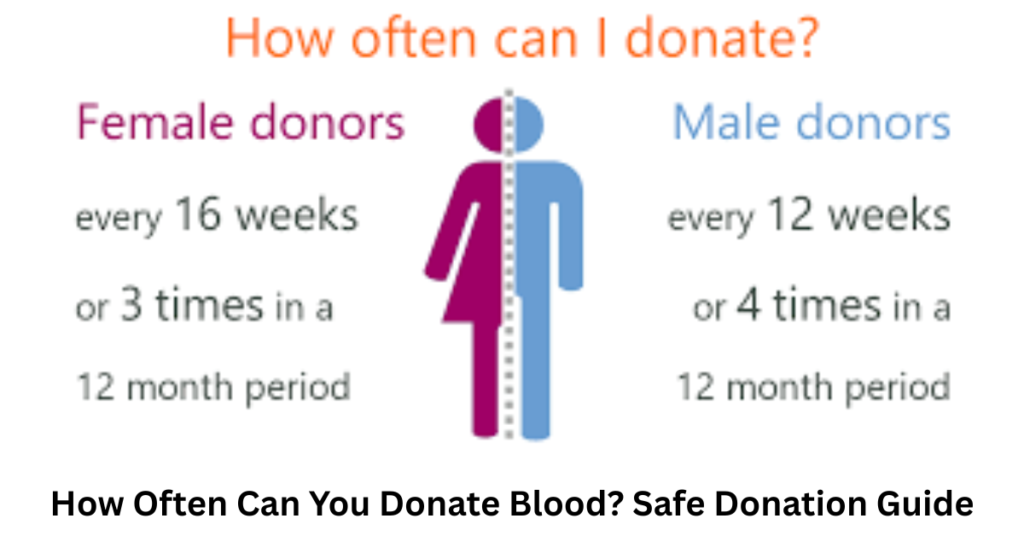

Donating blood is one of the simplest yet most powerful ways to save lives. But many people still wonder how often can you donate blood without affecting their own health. If you’ve ever thought about becoming a regular donor, understanding the right donation intervals is essential for safety and effectiveness.
In this guide, we’ll break down everything you need to know—from donation frequency and recovery time to eligibility rules and expert recommendations.
Why Blood Donation Matters More Than You Think
Every few seconds, someone somewhere needs blood due to surgery, accidents, childbirth complications, or chronic illnesses. Since blood cannot be manufactured, voluntary donors are the only source.
Key reasons blood donation is important:
- Saves trauma and accident victims
- Supports cancer and anemia patients
- Helps during surgeries and emergencies
- Maintains hospital blood supplies
Understanding how often can you donate blood ensures that donors remain healthy while continuing to help others.
How Often Can You Donate Blood Safely?
The safe frequency depends on the type of blood donation. Your body needs time to replenish blood cells, plasma, and iron levels.
Whole Blood Donation
This is the most common type of donation.
- Recommended interval: Every 8 weeks (56 days)
- Maximum: About 6 times per year for men, and 4–5 times for women depending on iron levels
This gap allows your body to fully restore red blood cells.
Platelet Donation
Platelets regenerate quickly, so donation can happen more frequently.
- Recommended interval: Every 7 days
- Maximum: Up to 24 times per year
Platelets are often needed for cancer patients and emergency surgeries.
Plasma Donation
Unlike red blood cells, plasma replenishes much faster in the body, making it possible to donate it more frequently.
- Recommended interval: Every 28 days
- Some donors may give more frequently depending on health screening
Plasma is vital for burn victims and immune disorders.
What Happens to Your Body After Donating Blood?
After donating, your body immediately begins replacing lost fluids and cells.
Here’s a simple recovery timeline:
- First 24 hours: Plasma volume restored
- 2–3 weeks: Red blood cells begin normal recovery
- 4–8 weeks: Full recovery completed
This is why guidelines for how often can you donate blood are strictly followed by health organizations.
Factors That Affect Donation Frequency
Not everyone can donate at the same rate. Several personal factors influence eligibility:
- Age and weight
- Hemoglobin levels
- Iron stores in the body
- Overall health condition
- Diet and hydration
- Medical history
If your iron levels are low, you may be advised to wait longer between donations.
Tips to Stay Healthy as a Regular Donor
If you plan to donate regularly, these habits help maintain your health:
- Eat iron-rich foods (spinach, red meat, lentils)
- Drink plenty of water before and after donation
- Avoid heavy exercise for 24 hours
- Take vitamin C to improve iron absorption
- Get enough sleep before donating
These small steps make it easier to maintain safe donation cycles.
Common Myths About Blood Donation
Many misconceptions prevent people from donating regularly.
Myth 1: Blood donation makes you weak
Truth: Your body replaces blood quickly, and most people feel normal within hours.
Myth 2: You can donate anytime
Truth: There are strict guidelines on how often can you donate blood for safety reasons.
Myth 3: Donating blood affects immunity
Truth: It does not weaken your immune system when done properly.
Who Should Avoid Frequent Blood Donation?
Some people need longer gaps or should avoid frequent donations:
- Individuals with anemia
- Pregnant or breastfeeding women
- People with chronic illnesses
- Those recovering from surgery or infection
Always consult a healthcare professional before becoming a regular donor.
FAQs About Blood Donation Frequency
1. How often can you donate blood safely?
Whole blood can usually be donated every 8 weeks, depending on your health and hemoglobin levels.
2. Can I donate blood more than once a month?
No, whole blood donation requires a recovery period, but platelet or plasma donations may allow more frequent visits.
3. Is it safe to donate blood regularly?
Yes, if you follow medical guidelines and maintain a healthy diet.
4. What happens if I donate too often?
Frequent donation without recovery can lead to fatigue or low iron levels.
5. How do I know if I’m eligible again?
Blood donation centers usually check your hemoglobin and health status before each donation.
Conclusion
Understanding how often can you donate blood is essential for both safety and long-term donor health. While whole blood donation typically requires an 8-week gap, platelet and plasma donations follow different schedules. By following proper guidelines and maintaining a healthy lifestyle, you can safely become a regular donor and continue saving lives.
If you’re healthy and eligible, consider making blood donation a part of your routine—it’s a small act that creates a massive impact.