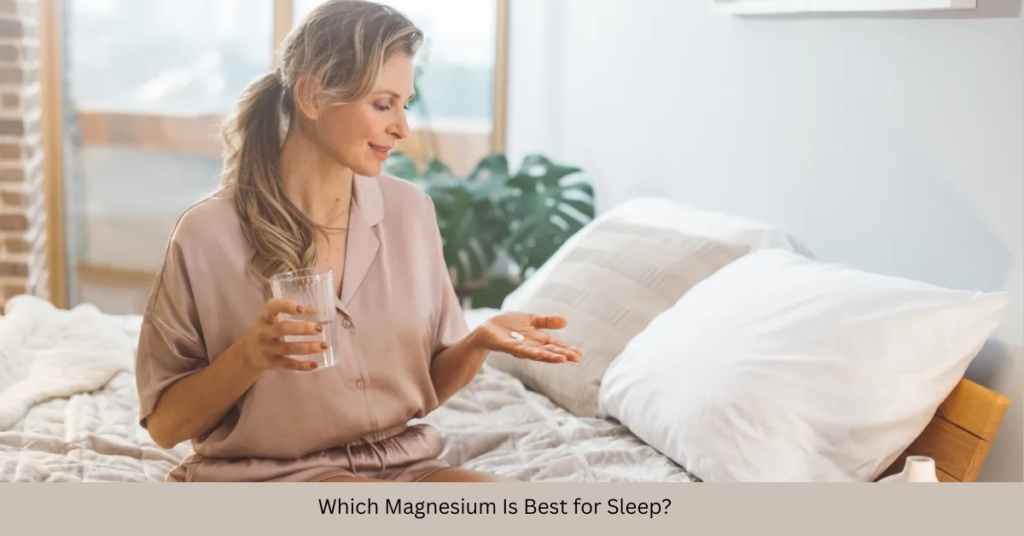

Struggling to fall asleep or waking up tired no matter how early you go to bed? You’re not alone—and this is where magnesium might help. If you’ve been wondering which magnesium is best for sleep, you’re already on the right track.
Magnesium is a powerful mineral that supports relaxation, calms the nervous system, and may improve sleep quality. But here’s the catch—not all magnesium supplements work the same way. In this guide, we’ll break down the best types, their benefits, and how to choose the right one for your needs.
Why Magnesium Helps With Sleep
Magnesium plays a key role in regulating neurotransmitters and hormones that control sleep.
Here’s how it works:
- Supports the production of melatonin (sleep hormone)
- Activates the parasympathetic nervous system (relaxation mode)
- Reduces stress and anxiety levels
- Helps relax muscles and prevent cramps
In short, magnesium prepares both your mind and body for restful sleep.
Which Magnesium Is Best for Sleep? Top Types Explained
Not all magnesium supplements are created equal. Some are better for sleep, while others target digestion or muscle health.
1. Magnesium Glycinate (Best Overall for Sleep)
Often considered the top choice when asking which magnesium is best for sleep and anxiety, this form is highly absorbable and gentle on the stomach.
Benefits:
- Promotes deep relaxation
- Helps reduce anxiety and stress
- Improves sleep quality without causing drowsiness
Ideal for: Stress, insomnia, and light sleepers
2. Magnesium Citrate (Best for Sleep and Digestion)
If you’re wondering which magnesium is best for sleep and constipation, magnesium citrate is a strong contender.
Benefits:
- Supports bowel movements
- Relaxes muscles
- Helps with mild sleep issues
Note: It may have a mild laxative effect.
3. Magnesium Threonate (Best for Brain Health)
This form is known for its ability to cross the blood-brain barrier.
Benefits:
- Enhances cognitive function
- Supports deep sleep cycles
- May reduce brain fog
Ideal for: Mental clarity and sleep improvement
4. Magnesium Malate (Best for Energy & Muscles)
If you’re asking which magnesium is best for sleep and muscle pain, this type can help.
Benefits:
- Reduces muscle soreness
- Supports energy production
- Helps with recovery
Best taken earlier in the day for some people, as it may feel energizing.
5. Magnesium Oxide (Budget Option)
This is a common and affordable form, but it’s less absorbable.
Benefits:
- Helps with occasional constipation
- Widely available
Not the best primary choice for sleep support.
How to Choose the Right Magnesium for Your Needs
When deciding which magnesium is best for sleep?, consider your specific symptoms.
Quick Guide:
- For anxiety & relaxation: Magnesium glycinate
- For constipation & sleep: Magnesium citrate
- For brain health: Magnesium threonate
- For muscle pain & recovery: Magnesium malate
- For general use: Magnesium glycinate
Special Considerations
Which Magnesium Is Best for Sleep for Women?
Women experiencing hormonal changes (like PMS or menopause) may benefit most from magnesium glycinate due to its calming effects.
Which Magnesium Is Best for Sleep and Leg Cramps?
Magnesium glycinate or citrate can help relax muscles and reduce nighttime cramps.
Which Magnesium Is Best for Sleep for Kids?
For children, low doses of magnesium glycinate are usually preferred because they are gentle and calming. Always consult a healthcare provider first.
How Much Magnesium Should You Take?
If you’re asking which magnesium is best for sleep how much, dosage matters just as much as type.
General Guidelines:
- Adults: 200–400 mg per day
- Take 30–60 minutes before bedtime
- Start with a lower dose and increase gradually
Always consult a healthcare professional before starting supplements.
Tips to Maximize Sleep Benefits
To get the most out of magnesium:
- Take it consistently every night
- Combine with a healthy sleep routine
- Avoid caffeine late in the day
- Pair with relaxation techniques like meditation
FAQs
1. Which magnesium is best for sleep and relaxation?
Magnesium glycinate is widely considered the best for relaxation and improving sleep quality.
2. Can magnesium help with anxiety and sleep?
Yes, magnesium helps calm the nervous system, making it effective for both anxiety and sleep support.
3. How long does magnesium take to work for sleep?
Some people notice results within a few days, while others may take 1–2 weeks.
4. Is it safe to take magnesium every night?
For most people, yes—when taken within recommended doses.
5. Can magnesium help with muscle cramps at night?
Absolutely. It helps relax muscles and may reduce cramps and discomfort.
Conclusion
So, which magnesium is best for sleep? For most people, magnesium glycinate stands out as the top choice due to its calming, highly absorbable nature. However, the best option ultimately depends on your specific needs—whether it’s anxiety, muscle pain, or digestion.
By choosing the right type and using it consistently, you can significantly improve your sleep quality and overall well-being. If you’re serious about better sleep, magnesium could be a simple yet powerful addition to your nightly routine.